
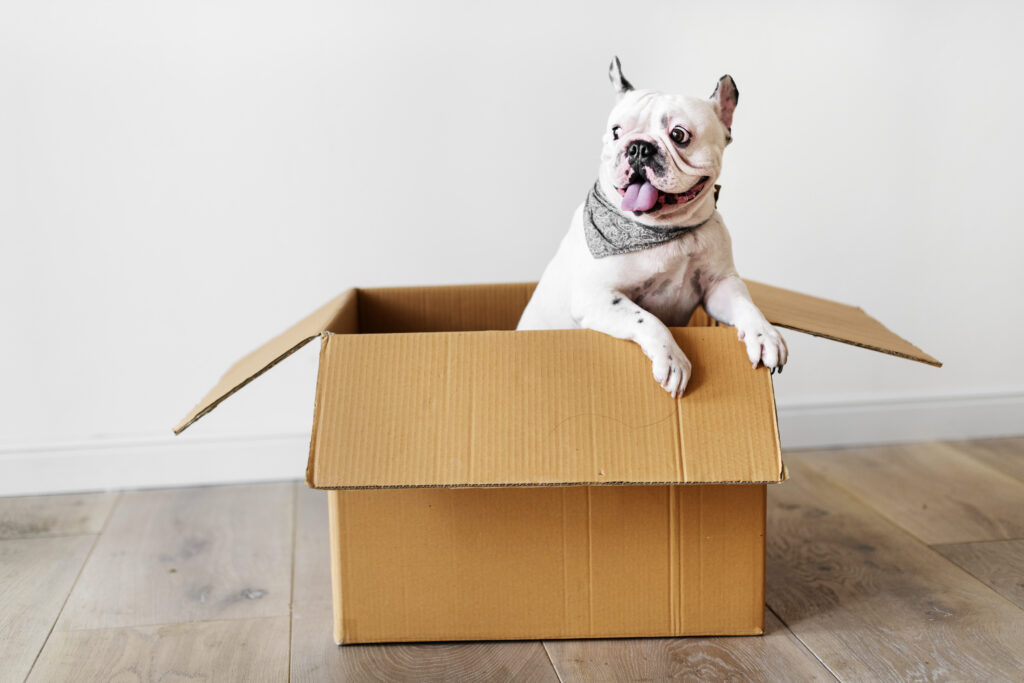
Moving House with Pets can be a stressful experience, as every member of the household faces change, but pets often find it especially confusing. Unlike people, animals cannot mentally prepare or understand what is happening around them. Their routines are disrupted, their familiar territory changes, and new environments can feel overwhelming. Pet owners planning a home move in the UK frequently look for guidance on keeping their animals calm, secure, and supported throughout the process. This guide covers practical steps, emotional considerations, and structured routines to make moving with pets in the UK a smoother, less stressful experience for both animals and their families.
During the early stages of a home move, many owners focus on packing, paperwork and transport arrangements. Yet one of the most important steps is acknowledging the emotional needs of pets during this transition. Dogs may show uncertainty through clinginess, barking or restlessness. Cats can hide, stop eating or react to changes in their territory. Understanding these signals helps owners respond appropriately and create a sense of stability. A trusted removal service can also support smooth planning. Pet owners who prefer additional organisation can review structured moving solutions through this professional removals provider at Rhino Removals, which offers clear guidance on preparing a household for moving day.
Recognising the needs of pets early allows owners to manage anxiety in a gentle and realistic way. This includes organising travel equipment, creating safe zones in the home, preparing familiar bedding and monitoring behaviour patterns. Simple preparations often make the final move less stressful. Pets rely on routine, and observing their natural instincts offers insight into what will help them feel secure during the transition.
Preparing Pets Before Moving Day
Preparation begins long before the removal team arrives. Pets require time to adapt to subtle changes within the home. Gradual adjustments prevent sudden stress and reduce the risk of behavioural challenges. A structured pre-move plan also helps owners maintain a calm environment.
Key preparation steps include:
- Introducing boxes gradually rather than packing the entire home at once
- Maintaining feeding times and walk routines to preserve familiarity
- Providing quiet spaces for pets who become uneasy around clutter
- Keeping favourite toys and bedding accessible
- Confirming microchip details, ID tags and veterinary contacts
Dogs and cats benefit from a predictable environment. When the household starts changing shape, pets quickly sense disruption. Cats often react to these changes more strongly than dogs due to their territorial nature, so they may need a stable space to retreat to as packing progresses. Some owners choose to confine pets to a quiet room during the final packing phase so that noise and movement do not overwhelm them.
Owners who want structured planning support can also review detailed moving day assistance through these organised house removal service options at Rhino Removals House Moving Services, which outline preparation timelines suitable for families with pets.
Understanding Travel Needs and Pet Carriers
Transport is one of the most sensitive stages of moving house with pets. Dogs and cats require secure and comfortable travel arrangements tailored to their size, temperament and medical needs. The right pet carriers or crates help animals feel protected while also preventing escape risks during loading or unloading.
Important considerations when selecting carriers include:
- Adequate ventilation with sturdy construction
- Enough space for the animal to stand, turn and lie down
- Non-slip bedding to prevent sliding during travel
- Secure latches to ensure the pet cannot push the door open
- A familiar scent such as a blanket or shirt from home
Dogs who are accustomed to car travel may settle quickly, but others need slow introduction to the carrier, short practice journeys and positive reinforcement. Cats usually require covered carriers to block visual stimulation and reduce stress during transport. For long travel times, owners should plan for hydration breaks and check for calm breathing patterns.
Pets often sense the emotional tone of their owners. If the household maintains a steady, unhurried rhythm on moving day, animals typically respond with greater trust. Owners should avoid loud reactions, rushing or showing frustration around pets during this stage.
Creating a Stress Free Move for Dogs and Cats
A stress free move depends on understanding different species’ behaviours. Dogs and cats process change differently, and the strategies that calm one may not work for the other.
Dogs
Dogs rely heavily on their bond with their owners. They take cues from human behaviour and often mirror tension. During a move, dogs benefit from:
- A morning walk before removal work begins
- Clear instructions to stay in a quiet room or with a known family member
- Access to familiar items, such as a chew toy or blanket
- Predictable interaction, including calm reassurance without excessive fuss
- Avoiding exposure to open doors or chaotic areas
Many dogs become unsettled not because of the physical move but because their owners appear distracted or stressed. A gentle tone and consistent body language can significantly reduce anxiety.
Cats
Cats form strong attachments to territory. Any disruption can challenge their sense of safety. To support them:
- Confine them to one secure room during packing
- Provide a litter tray, food, water and bedding in the same space
- Keep carriers accessible for gradual familiarisation
- Avoid letting cats roam the house while movers carry items through open doors
- Preserve quiet routines and low noise levels
Even confident cats can react strongly to new environments. A calm, contained approach keeps them centred and reduces escape risk.
Transitioning Pets into the New Home
Once at the new property, pets need time and gentle guidance to understand that the new environment is safe. Owners should prioritise creating a familiar, structured setting as soon as possible.
Establishing comfort quickly
- Set up a dedicated pet zone immediately with bedding, toys and food
- Keep the household quiet while the pet explores
- Provide reassurance without forcing interaction
- Observe behaviour patterns to identify signs of stress or curiosity
Cats often need several days before they begin exploring freely. Dogs may adjust sooner but still benefit from slow, supervised introduction to each room. Sudden exposure to the entire home can overwhelm pets, especially if they are naturally cautious.
Rebuilding routine
Routine is essential for helping pets regain confidence. Feeding times, walks, grooming and play sessions should continue at familiar hours. A predictable schedule signals that life is returning to normal and reduces behavioural issues like pacing, vocalising or hiding.
Supporting Pets Emotionally After the Move
Many pets show delayed reactions after relocation. Even once the boxes are unpacked, animals may still feel uncertain. Owners should watch for changes in behaviour, appetite or bathroom habits, as these can indicate stress.
Practical strategies include:
- Offering quiet companionship without overwhelming the pet
- Introducing new spaces gradually
- Avoiding loud gatherings or visitors in the first days
- Supporting relaxation with familiar scents
- Encouraging calm behaviours through gentle play or short walks
Animals feel more secure when the household atmosphere remains steady. Emotional support plays an important role in helping pets adapt to their new surroundings.
When to Seek Professional Guidance
Some pets may need extra assistance during major transitions. This includes pets with past trauma, anxiety disorders, medical issues or previous negative experiences with travel. If an animal displays intense fear, sudden aggression or extreme withdrawal, owners may benefit from consulting a veterinarian or behaviour specialist.
A structured plan provided by professionals can support a smoother adjustment and prevent long-term stress patterns.
Common Mistakes to Avoid When Moving with Pets
Avoiding these errors helps maintain safety and reduces emotional distress:
- Allowing pets near open doors on moving day
- Packing familiar items too early
- Forcing animals into carriers with no preparation
- Changing feeding schedules abruptly
- Allowing unsupervised exploration in the new home
- Overwhelming pets with visitors during the settling period
Awareness of these common mistakes helps owners prepare more effectively and maintain steady reassurance throughout the process.
Practical Tips for Moving Day in the UK Climate
Moving in the UK often means unpredictable weather. Cold, heat or rain can influence how comfortable pets feel during transport.
Important UK-specific considerations:
- Keep pets warm during cold seasons with blankets inside carriers
- Avoid leaving pets in cars during hot temperatures
- Dry pets quickly after exposure to rain to prevent discomfort
- Monitor hydration, especially during summer moves
- Prepare indoor relief areas for puppies or elderly dogs when outdoor spaces are not immediately accessible
Small adjustments like these make the overall experience more manageable for pets.
Conclusion
Moving house with pets requires careful planning, awareness of animal behaviour and patience. Pets rely on their owners for reassurance and stability, and a structured approach helps them feel safe throughout the process. Owners can strengthen their preparation by reviewing guidance, maintaining routines and creating secure environments both before and after the move. Clear support is also available for families who want additional planning help through the removal consultation team, which can be contacted using this direct contact page.
Frequently Asked Questions
Most pets settle within a few days to several weeks. Cats often take longer because of territorial instincts, while dogs usually adjust sooner with routine and reassurance.
No. Pets should always travel in a secure carrier inside the owner’s vehicle. This prevents fear, injury and temperature fluctuations.
Provide a quiet room, familiar bedding, covered carriers and gentle handling. Avoid exposing them to open areas and strangers during packing.
Include food, water, medication, a blanket, toys, treats, cleaning supplies and any comfort items the pet relies on.
Allow slow, supervised exploration once essentials are set up. Introduce one room at a time to avoid overwhelming them.